Recently we watched the popular mini-series, Death by Lightning, which chronicles the unexpected ascendancy of former Civil War Union general James Garfield to the presidency in 1881, succeeding Ulysses S Grant, and his premature demise by assassination only three months later at the hands of a delusional madman who is subsequently hanged.
The main sub-plot involves Garfield’s interest in creating a professional civil service no longer beholden to the corrupt spoils system, which finally culminated in passage of the Pendleton Civil Reform Act of 1883, signed into law by Garfield’s successor, Chester A. Arthur. The film is also the story of Garfield’s frustrating but ultimately successful attempt to convince Arthur, who took the office of vice president as a main benefactor of that corrupt system, to follow his better angels, as Lincoln would have said, and do what is right.
Thanks for reading Bruce's Substack! Subscribe for free to receive new posts and support my work.
Other plot strands involve the arrogant incompetence of the physician, ironically named Dr. Bliss, without whose hellish, unsanitary interventions Garfield would likely have recovered completely (the original bullet wound healed itself), and who remained willfully ignorant of new medical discoveries regarding bacterial infections. His repeated probes and poking around with dirty instruments inside Garfield’s body, conducted with the aim of finding and dislodging the bullet that remained hidden in his body, lead to fatal sepsis. (I personally found it surprising, in the aftermath of the carnage of the Civil War, where more soldiers undoubtedly perished from infection than their wounds, that there would not have been more awareness of this possibility.)
Of note, Garfield is stabilized initially at the train station by a prominent African-American physician, Dr. Charles Purvis, who has read about the new research on infection. But Dr. Bliss, once on the scene, exerts his authority as the ‘senior’ physician in charge, and, no doubt, also as a white man. As president, Arthur later recognized the expertise of Dr. Purvis and named him Surgeon-in-Charge at Freedman’s hospital (this was still an era of segregation).
Garfield also shows himself committed to improving civil rights for African-Americans emancipated during the war, appointing an African-American man, Blanche (!) Kelso Bruce, as the first Register of the Treasury responsible for signing currency.
In sum, Garfield was definitely made of presidential timber, as the saying goes, and might have become a significant historical figure had he not been cut down so early. Like Lincoln, he was born into poverty, but unlike Lincoln, he did not have the opportunity to achieve greatness before his assassination. Of course, Garfield is now all but forgotten since his term was truncated so tragically. The same holds true for his assassin. Before he passes, Garfield nonetheless expresses his hope to his wife that he will be remembered by history, just as Guiteau is certain he will be remembered as having changed the course of history. The one thing they have in common is a desire – in one case a deluded conviction -- that their reputations will outlive their lives. But history is not kind to what only might have been.
Perhaps the most noteworthy moment in the film is when Garfield’s wife Lucretia meets with his killer to inform the latter that she has lied to her husband in telling him he would be remembered by history. She also punctures Guiteau’s self-inflated balloon by assuring him that he too will be relegated to oblivion; in fact, she has even taken steps to ensure that is the case. Neither man will have made more than a ripple of a difference to history’s jaundiced eye.
And yet.
The more subtle point the film makes is that we can and do make a difference and leave a legacy, at least on a personal level. Garfield leaves behind a devoted wife and daughter who have known the greatness inside him and will carry it throughout their own lives. Garfield succeeds through encouragement in persuading Arthur to take the higher moral road in support of meaningful reform. By contrast, his megalomaniacal assassin is left with nothing: abandoned by his doting sister, shunned by society, condemned to ignoble death by hanging.
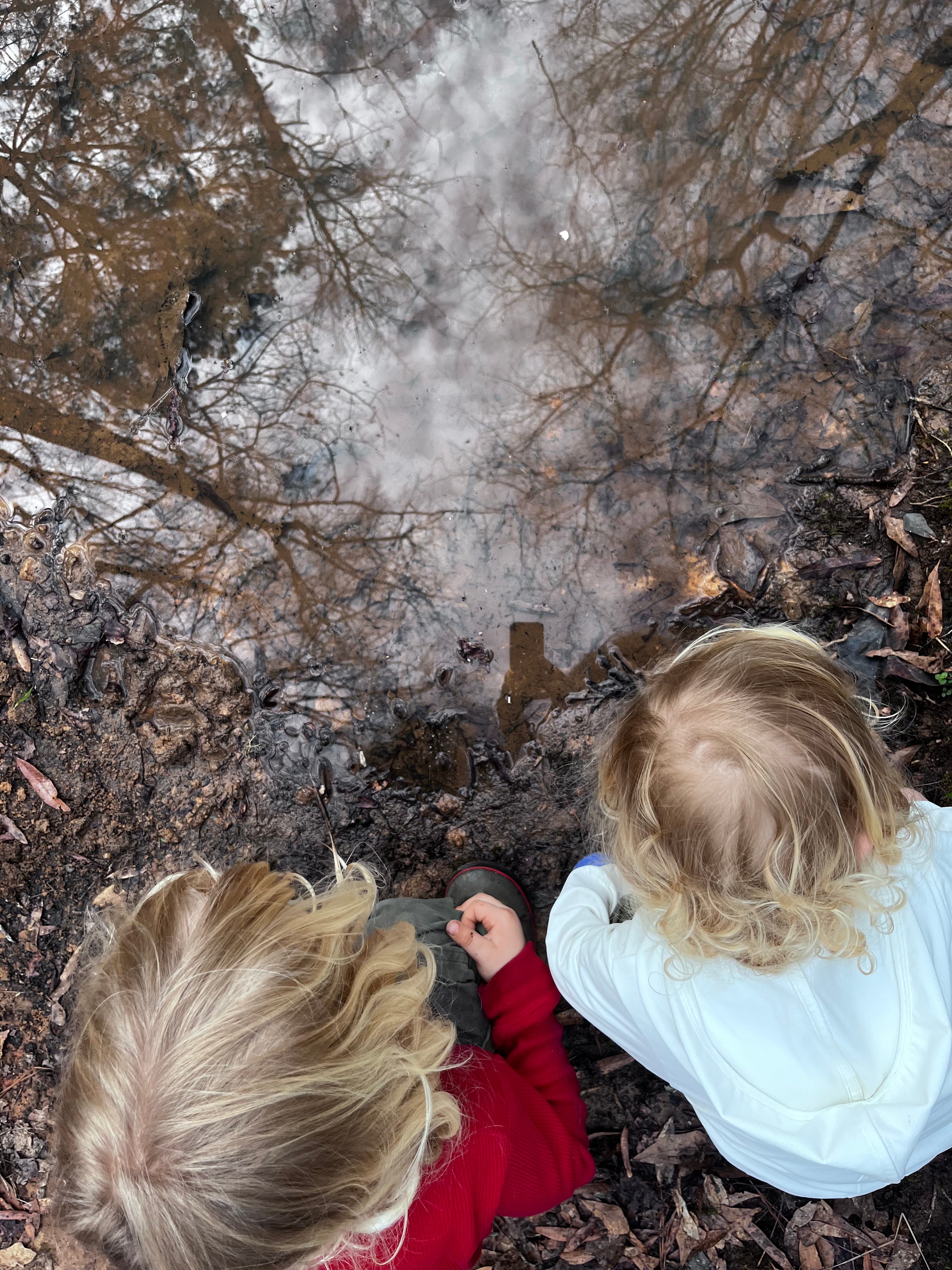
And so it is for the vast majority of us. Whatever we may accomplish in life during our careers (I was an ambassador!, he says), in the end our legacy consists most in what we have impressed on those who are closest to us, spouses and friends first and foremost, but perhaps more significantly, our children, the next generation. All parents live with the hope that our children will surpass us in their own lives, that they will be able to build on what we provided to rise even higher. At a minimum, we look to them to transmit to their own children what we believe was best in us.
That is certainly the way I feel about mine, and I am especially proud when I have the feeling that what I have imparted is being imparted again to their children. That’s where you actually see the results of what you have strived for. Your children thank you in the way they live their own lives and treat their own children. We can and do make a difference.
I close with a poem I recently wrote for my son that deals with his interest in conservancy of the wild as a metaphor for the broader conservancy of values we all look to pass on to our children.
Land Trust
It’s sometimes while stifling a chortle
That I compare the unsubtle clashing
Of Tennessee orange-hued vetements
With the mottled brown and green
Of forest foliage camouflage as you
Make your rounds on protected soil,
But I also know it is for an elected
Good, that of preserving the woods
From city encroachment and spoil
As you toil to leave for your children
Stashes of pristine surroundings for
A new generation’s own soundings
Into the grounding of their lives and
Livelihoods, hope their futures will
Be ones of nurture and that they too
Will be poised loyally to partake
Of and perpetuate nature’s bounty.
Thanks for reading Bruce's Substack! Subscribe for free to receive new posts and support my work.